
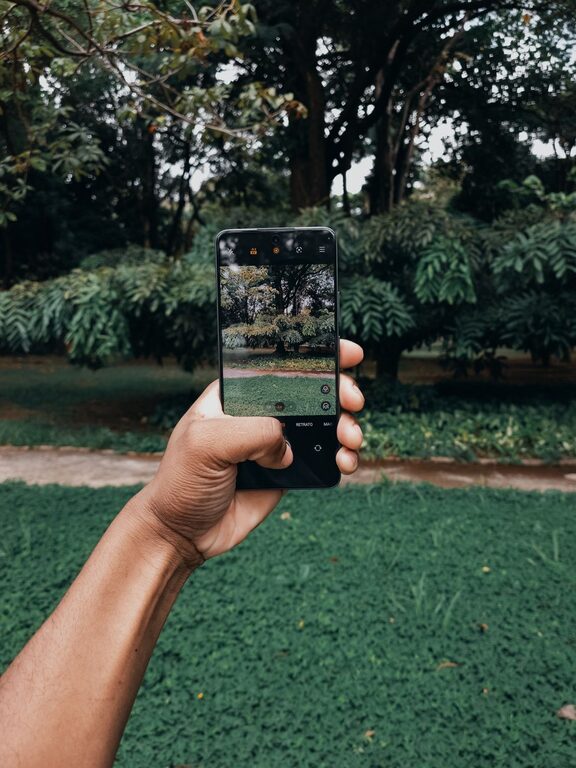
Taking great photos with your phone is easier than you might think. With today’s smartphones, you have a powerful camera right in your pocket. Whether you want to capture moments with friends, beautiful landscapes, or everyday scenes, these beginner tips will help you take better photos and get the most out of your phone camera.
Understand Your Phone Camera Basics
Before diving into advanced techniques, get comfortable with your phone’s camera features. Most smartphones have tools like autofocus, exposure control, and different shooting modes. Spend some time exploring the camera app to see what options are available.
– Tap to focus: Tap on the screen where you want the camera to focus. This helps make your subject sharper.
– Adjust exposure: After focusing, you can usually slide your finger up or down to brighten or darken the image.
– Use gridlines: Turn on the grid in your camera settings to help compose balanced photos using the “rule of thirds.”
Composition Tips for Better Photos
Good composition makes your pictures more interesting and visually pleasing. Here are some easy ways to improve composition:
Apply the Rule of Thirds
Divide your frame into a 3×3 grid (usually enabled by gridlines). Place your subject or points of interest along these lines or where they intersect for a natural balance.
Look for Leading Lines
Use natural lines, like roads, fences, or rivers, to draw the viewer’s eye toward your subject or deeper into the photo.
Find Symmetry and Patterns
Symmetrical scenes and repeating patterns can create striking images. Look for reflections, architectural details, or nature patterns.
Frame Your Subject
Use doorways, windows, branches, or other elements to frame your subject. This adds depth and focuses attention.
Use Natural Light Whenever Possible
Lighting is one of the most important factors in photography. Here’s how to make the most of natural light:
– Avoid harsh midday sun: Bright overhead sunlight can cause harsh shadows and blown-out highlights. Early morning or late afternoon (golden hour) provides soft, warm light.
– Face the light source: When taking portraits or close-ups, position your subject so the light falls on their face or main object.
– Use shadows creatively: Shadows can add drama and interest to your photos if used intentionally.
– Avoid using flash: Phone flash often creates unflattering lighting. Instead, adjust your position relative to available light.
Keep Your Lens Clean
It’s simple but often overlooked — a dirty lens will produce blurry or hazy images. Use a microfiber cloth to gently wipe your lens regularly.
Steady Your Shot
Blurry photos can ruin a good composition. Keep your phone steady by:
– Holding it with both hands.
– Leaning on a stable surface.
– Using a small tripod or phone stand.
– Enabling burst mode to increase chances of sharp shots.
Experiment with Camera Modes and Features
Many phones offer a variety of shooting modes and features that help you take better photos:
– Portrait mode: Blurs the background to make your subject stand out.
– HDR (High Dynamic Range): Balances bright and dark areas for more detail.
– Panorama: Captures wide scenes like landscapes.
– Night mode: Improves low-light shots by increasing exposure time.
– Pro or manual mode: Gives control over settings like ISO and shutter speed (ideal if you want to learn more).
Try these modes to see what works best for the scene.
Edit Your Photos
Editing is a great way to enhance your photos before sharing or printing. Use simple editing apps like Snapseed, Lightroom Mobile, or even the built-in editor on your phone.
Basic edits to try:
– Adjust brightness and contrast.
– Crop or straighten the image.
– Enhance colors or convert to black and white.
– Apply filters sparingly for a natural look.
Don’t over-edit — the best photos still feel authentic and clear.
Practice Regularly and Have Fun
Photography is a skill that improves with practice. Take your phone with you and snap photos often: try different subjects, lighting, and compositions. Review your photos and think about what worked and what could be better next time.
Most importantly, have fun capturing the world around you!
Summary: Quick Beginner Tips
– Learn your phone camera features.
– Use gridlines and the rule of thirds.
– Find good natural light.
– Clean your lens before shooting.
– Keep your hands steady.
– Experiment with modes like portrait and HDR.
– Edit photos gently.
– Practice and enjoy photography.
By applying these tips, you’ll soon notice a big difference in the quality of your phone photos. Happy shooting!