
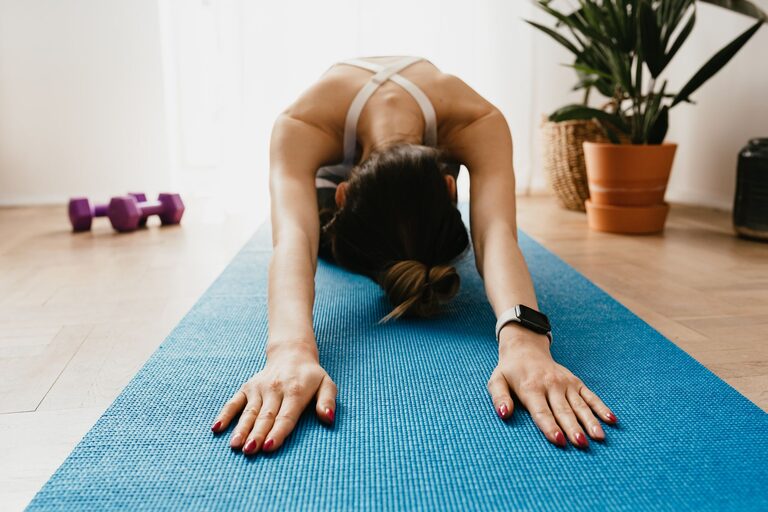
Stretching is an essential part of a healthy lifestyle that can benefit people of all ages and fitness levels. Whether you are looking to improve your flexibility, relieve muscle tension, or create a calming routine at home, stretching is an accessible and effective way to take care of your body. If you’re new to stretching, this beginner’s guide will walk you through the basics, including why it’s important, how to get started, and some easy stretches you can do without any special equipment.
Why Stretching Matters
Stretching helps lengthen your muscles and tendons, which can:
– Improve your range of motion and flexibility
– Reduce muscle stiffness and soreness
– Increase blood flow to your muscles
– Help prevent injuries during physical activity
– Promote relaxation and reduce stress
Incorporating stretching into your daily routine can enhance your overall mobility and make everyday tasks easier.
Preparing to Stretch at Home
Before you start stretching, it’s important to prepare your body and environment:
– Choose a comfortable space: Clear an open area with enough room to move freely. A yoga mat or soft carpet is ideal.
– Wear comfortable clothing: Loose, breathable clothes will allow you to stretch without restriction.
– Warm up gently: Stretching cold muscles isn’t recommended. Spend 5 minutes doing light activity like walking or marching in place to gently increase your heart rate.
Basic Stretching Tips for Beginners
To get the most benefit and avoid injury, keep these tips in mind:
– Stretch slowly and gently: Avoid bouncing or forcing your body into a stretch. Ease into each position gradually.
– Hold each stretch for 15-30 seconds: This allows the muscles to relax and lengthen.
– Breathe deeply: Focus on slow, deep breaths to help your body relax.
– Listen to your body: Stretch until you feel mild tension, not pain.
– Be consistent: Aim to stretch at least 3-4 times per week for noticeable improvements.
Simple Stretching Exercises to Try at Home
Here are some beginner-friendly stretches targeting different muscle groups:
Neck Stretch
– Sit or stand tall with your shoulders relaxed.
– Slowly tilt your head to one side, bringing your ear toward your shoulder.
– Hold for 20 seconds, then switch sides.
– Repeat 2-3 times.
Shoulder Stretch
– Bring your right arm across your chest.
– Use your left hand to gently pull your right arm closer to your chest.
– Hold for 20-30 seconds, then switch arms.
– Repeat 2-3 times.
Chest Stretch
– Stand with your feet shoulder-width apart.
– Clasp your hands behind your back and straighten your arms.
– Lift your hands slightly while opening your chest.
– Hold for 20-30 seconds.
Seated Forward Bend
– Sit on the floor with legs extended straight ahead.
– Slowly bend forward from your hips, reaching toward your toes.
– Go as far as you comfortably can without rounding your back.
– Hold for 20-30 seconds.
Hamstring Stretch
– Lie on your back with one leg extended on the floor.
– Lift the other leg straight up, holding it behind the thigh or calf.
– Keep your lifted leg straight and gently pull it toward your body.
– Hold for 20-30 seconds, then switch legs.
Quadriceps Stretch
– Stand near a wall or chair for balance.
– Bend one knee, bringing your foot toward your buttocks.
– Hold your ankle with your hand and keep your knees close together.
– Hold for 20-30 seconds, then switch legs.
Calf Stretch
– Stand facing a wall with your hands placed on it.
– Step one foot back, keeping it straight and the heel on the ground.
– Bend your front knee slightly and lean toward the wall.
– Hold for 20-30 seconds, then switch legs.
Creating a Stretching Routine
To stay motivated and consistent, create a simple routine such as:
- Warm-up: 5 minutes of light movement
- Neck and shoulder stretches: 5 minutes
- Lower body stretches (hamstrings, quads, calves): 10 minutes
- Cool down with chest and seated forward bend stretches: 5 minutes
You can adjust the time and stretches depending on your schedule and goals.
When to Avoid Stretching
Avoid stretching if you:
– Have a recent injury or inflammation
– Feel sharp or sudden pain during a stretch
– Have joint instability or certain medical conditions (consult a healthcare professional)
Final Thoughts
Stretching is a gentle, low-cost way to improve your flexibility and feel better physically and mentally. Starting with easy stretches at home helps build a habit that supports long-term health. Remember to be patient with your progress and enjoy the calming effects of regular stretching.
Try setting aside just 10-20 minutes a few times a week and see how your body responds. With time, you’ll notice improved movement, less tension, and an overall greater sense of well-being. Happy stretching!