
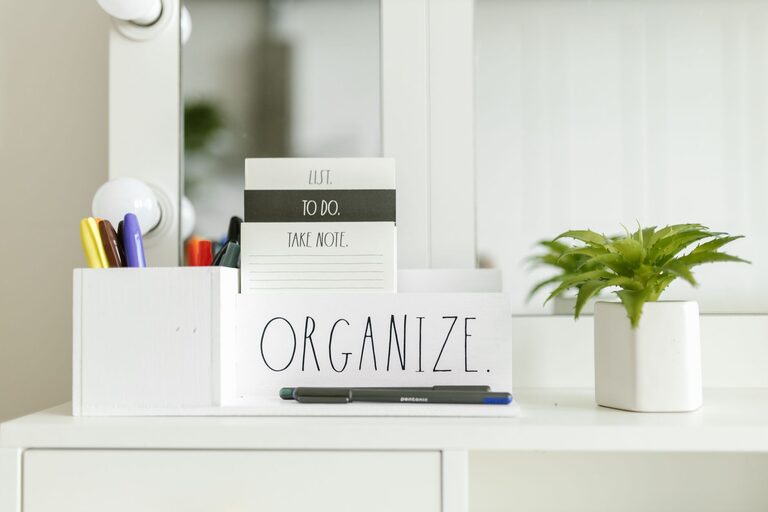
Dealing with paper clutter can feel overwhelming, but with some simple strategies, you can regain control and create a more organized, peaceful home. Whether it’s mail, bills, or miscellaneous papers, clutter tends to accumulate quickly. The good news is that by adopting a few habits and tools, managing household paper clutter becomes much easier.
Why Reduce Paper Clutter?
Paper clutter can cause stress, make it hard to find important documents, and take up valuable space. Reducing it improves your home’s appearance and helps you stay on top of important tasks, like paying bills or filing taxes.
Start with a Paper Audit
Before diving in, take a few minutes to sort through the paper piles in your home. Identify what types of paper you have most of, such as:
– Mail and junk mail
– Bills and receipts
– School papers or kids’ artwork
– Manuals and warranties
– Important personal documents (tax forms, insurance papers)
Knowing what you’re dealing with helps you create an effective plan for reduction.
Create a Dedicated Paper Station
Set up one spot in your home for handling incoming paper. This could be a small tray, a basket, or a filing box. Having a landing zone means you won’t lose or scatter papers around your house.
Sort Immediately
When you bring papers into your home, try to sort them immediately into categories:
- **Action:** Bills to pay, forms to fill out, invitations to RSVP.
- **File:** Important documents you need to keep.
- **Shred/Recycle:** Junk mail, old receipts, expired offers.
Getting into the habit of sorting right away prevents piles from forming.
Go Digital Wherever Possible
Switching to electronic statements and bills reduces incoming paper. Most utilities, banks, and service providers offer online options:
– Opt for e-bills and e-statements.
– Use apps to scan receipts and important documents.
– Store digital copies in organized folders on your computer or cloud storage.
By digitizing, you lower paper inflow and have easier access to documents.
Use a Simple Filing System
For papers you need to keep, a straightforward filing system keeps things manageable:
– Use labeled folders or an accordion file.
– Organize by category (e.g., medical, financial, home maintenance).
– Review and clear out files regularly, such as once every six months.
Avoid overcomplicating the system — the easier it is, the more likely you’ll use it consistently.
Limit Incoming Mail
Reduce paper clutter by controlling mail before it arrives:
– Unsubscribe from junk mail and catalogs online.
– Use a service to opt out of unsolicited mail.
– Consider a P.O. box if your home gets excessive mail.
Managing mail intake is key to preventing clutter.
Manage Kids’ Papers Creatively
Kids bring home many papers and artworks. Instead of keeping everything:
– Set a limit on what you save.
– Take photos of the artwork and create a digital album.
– Display favorites on a bulletin board or rotating frame.
– Recycle older or less meaningful papers regularly.
This preserves memories while cutting down physical clutter.
Dispose of Paper Properly
When you discard sensitive documents like bills or anything with personal data, shred them to protect your privacy. Recycle non-sensitive papers to be eco-friendly.
Establish a Weekly Routine
Set aside 10–15 minutes weekly to tackle paper clutter. Use this time to:
– Sort new papers.
– File documents.
– Shred or recycle unwanted papers.
Regular maintenance helps keep clutter from building up again.
Invest in Helpful Tools
Consider tools that make paper management easier, such as:
– A quality shredder.
– A scanner or scanning app.
– Filing boxes or desktop organizers.
Having the right supplies encourages you to stay organized.
—
Reducing household paper clutter doesn’t have to be complicated. By adopting these simple habits, you’ll create a more streamlined, efficient space that works for you and your family. Start small, stay consistent, and enjoy the benefits of a clutter-free home.