
Planning balanced meals can sometimes feel overwhelming, especially with busy schedules and countless food options. However, eating nutritious meals doesn’t have to be complicated or stressful. With a little bit of organization and some practical tips, you can create well-rounded meals that support your health and satisfy your taste buds. This guide will walk you through easy steps to plan balanced meals without stress, perfect for beginners and experienced cooks alike.
What Is a Balanced Meal?
Before diving into meal planning, it’s helpful to understand what makes a meal balanced. A balanced meal typically includes a variety of food groups to provide essential nutrients:
– Proteins: Eggs, beans, chicken, fish, tofu, or lean meats
– Carbohydrates: Whole grains like brown rice, quinoa, or whole wheat bread
– Vegetables: A colorful variety to offer vitamins, minerals, and fiber
– Fruits: Fresh or frozen, to add natural sweetness and nutrients
– Healthy Fats: Avocado, nuts, seeds, olive oil
Including portions from these groups ensures your body gets the right fuel for energy, growth, and repair.
Step 1: Set Realistic Goals
Trying to overhaul your entire diet overnight can lead to frustration. Instead:
– Start by planning balanced meals for just a few days each week.
– Focus on incorporating one new food group or recipe at a time.
– Remember, meals don’t have to be perfect; aim for progress, not perfection.
Step 2: Create a Weekly Meal Plan
Taking 15–30 minutes once a week to plan your meals can save time and reduce stress during busy weekdays.
How to Start:
- **Check Your Schedule:** Note any busy nights or social events.
- **Choose Simple Recipes:** Pick meals that fit your skill level and available time.
- **Balance Your Plate:** For each meal, include sources of protein, veggies, and whole grains.
- **Mix It Up:** Rotate different proteins and vegetables to keep meals interesting.
Sample Weekly Plan:
| Day | Dinner Idea |
|———–|———————————|
| Monday | Grilled chicken with quinoa and steamed broccoli |
| Tuesday | Black bean tacos with lettuce and salsa |
| Wednesday | Baked salmon with roasted sweet potatoes and green beans |
| Thursday | Stir-fried tofu with mixed vegetables and brown rice |
| Friday | Homemade veggie pizza on whole wheat crust |
Step 3: Shop Smart
Once your meal plan is ready, create a grocery list based on your recipes. Tips for stress-free shopping:
– Organize your list by store sections: produce, dairy, grains, etc.
– Buy seasonal fruits and vegetables—they’re usually fresher and more affordable.
– Consider frozen veggies and fruits for convenience and longer shelf life.
– Stick to your list to avoid impulse purchases.
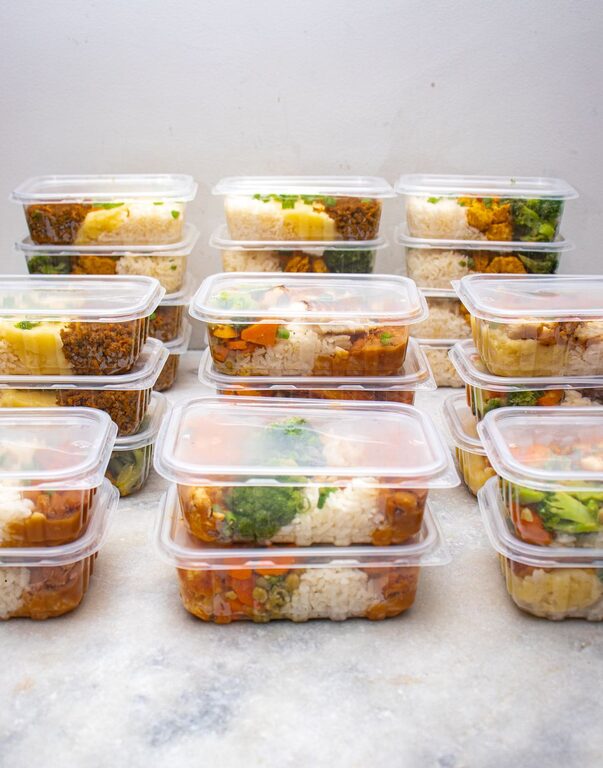
Step 4: Prep Ahead
Meal prepping can greatly reduce daily cooking stress. Here’s how:
– Wash and chop vegetables in advance.
– Cook grains like rice or quinoa in bulk.
– Portion out snacks like nuts, sliced fruits, or yogurt.
– Prepare sauces or dressings ahead of time.
By spending some time preparing ingredients, assembling meals each day becomes faster and easier.
Step 5: Keep It Flexible
Life can be unpredictable. It’s okay to swap meals or use leftovers creatively.
– If you don’t feel like cooking, use prepared ingredients for a quick stir-fry or salad.
– Mix and match components from different meals.
– Incorporate healthy convenience options like pre-washed salad greens or rotisserie chicken.
Step 6: Listen to Your Body
Balanced meals are about nourishing your body, so pay attention to hunger and fullness cues.
– Eat when you’re hungry, stop when satisfied.
– Don’t force yourself to finish everything on your plate if you feel full.
– Include snacks if needed, such as fruit, nuts, or yogurt.
Bonus Tips for Stress-Free Balanced Eating
– Use Simple Seasonings: Herbs, lemon juice, and spices add flavor without extra calories.
– Cook Once, Eat Twice: Make larger portions and enjoy leftovers for lunch or dinner.
– Get Family Involved: Cooking together can be fun and encourages healthy eating habits.
– Stay Hydrated: Sometimes hunger is confused with thirst, so drink plenty of water.
Conclusion
Planning balanced meals doesn’t have to be a daunting task. By setting realistic goals, preparing a simple meal plan, shopping efficiently, and prepping ahead, you can enjoy nutritious, satisfying meals every day without added stress. Remember, the goal is to create sustainable habits that fit your lifestyle and bring joy to your dining experience.
With these tips, you’re well on your way to stress-free, balanced eating! Happy meal planning!